- home
- How to Manufacture Skincare from Home — Legally and Professionally
How to Manufacture Skincare from Home — Legally and Professionally
Dreaming of launching your own skincare brand from home—but not sure where to start?
If you want to manufacture skincare from home safely, legally, and confidently, you’re in the right place.
In this guide, we’ll walk through how to keep your business compliant with FDA standards, protect your brand from costly mistakes, and build a professional foundation that earns customer trust.
Before you manufacture at home, start with standards: GMP for Skincare.
Why Compliance Matters for Indie Skincare Brands
When you manufacture skincare from home, compliance isn’t just a box to check—it’s your business protection plan.
The FDA and Fair Packaging and Labeling Act (FPLA) require skincare brands to follow certain rules for product labeling, marketing, and manufacturing.
Ignoring them can lead to warnings, fines, or even product removal.
But don’t stress—understanding the basics makes staying compliant much easier.
Accurate weighing matters for every batch. Learn here: How to Measure Skincare Ingredients the Right Way.
Cosmetic vs. Drug — Why Words Matter
One of the most common mistakes new skincare formulators make is using medical or drug-like claims in their marketing.
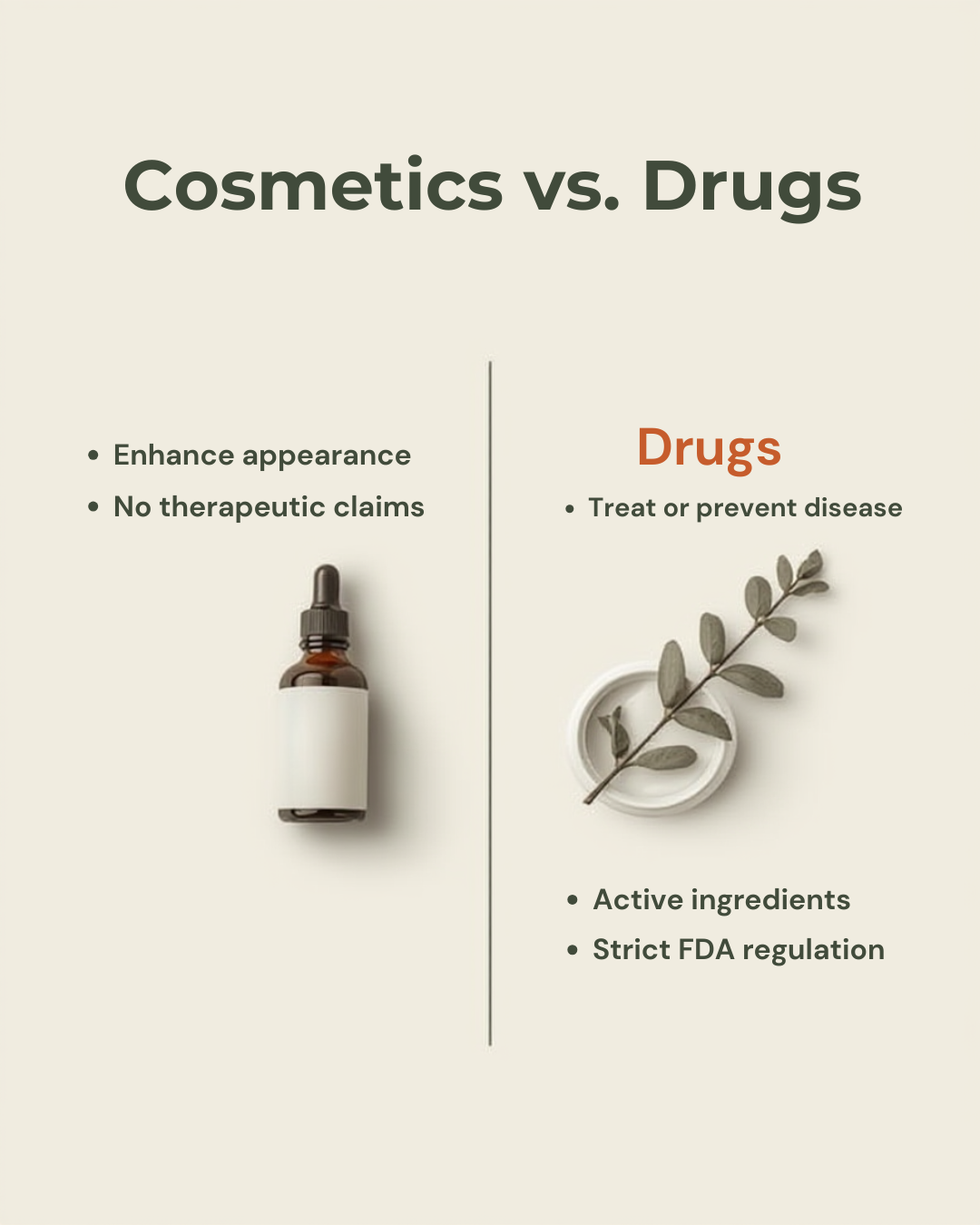
Here’s how the FDA separates cosmetics from drugs:
- Cosmetics: products meant to cleanse, beautify, or enhance appearance
- Drugs: products meant to treat, prevent, or cure medical conditions
So when promoting your products, always describe what they do for the skin’s appearance, not what they treat or cure.
✅ Say this
- Hydrates and softens the skin
- Helps minimize the appearance of pores
- Improves the look of fine lines and wrinkles
🚫 Avoid saying this
- Cures dry skin
- Shrinks pores
- Reverses aging
- Treats acne or eczema
When you manufacture skincare from home, how you describe your products is as important as how you make them.
👉 Learn more about cosmetic vs. drug claims from the FDA
Organic & Labeling Claims: What You Need to Know
If you want to call your product “organic,” that claim falls under the USDA, not the FDA—and it must be certified.
Your labels also need to meet the Fair Packaging and Labeling Act (FPLA) requirements, which ensure your customers know exactly what they’re buying.
Every label must include:
- Product name and purpose
- Warnings or precautions (if needed)
- Net quantity (e.g., 4 oz / 118 mL)
- Directions for safe use
- Business name and contact information
- Full ingredient list (in descending order of concentration)
Think of your label as both your first impression and your legal safeguard.
Good Manufacturing Practices (GMP): Your Quality Foundation
Even though GMP isn’t legally required for cosmetics in the U.S., it’s a best practice you can’t skip.
These are the same standards used by professional manufacturers to ensure quality and consistency.
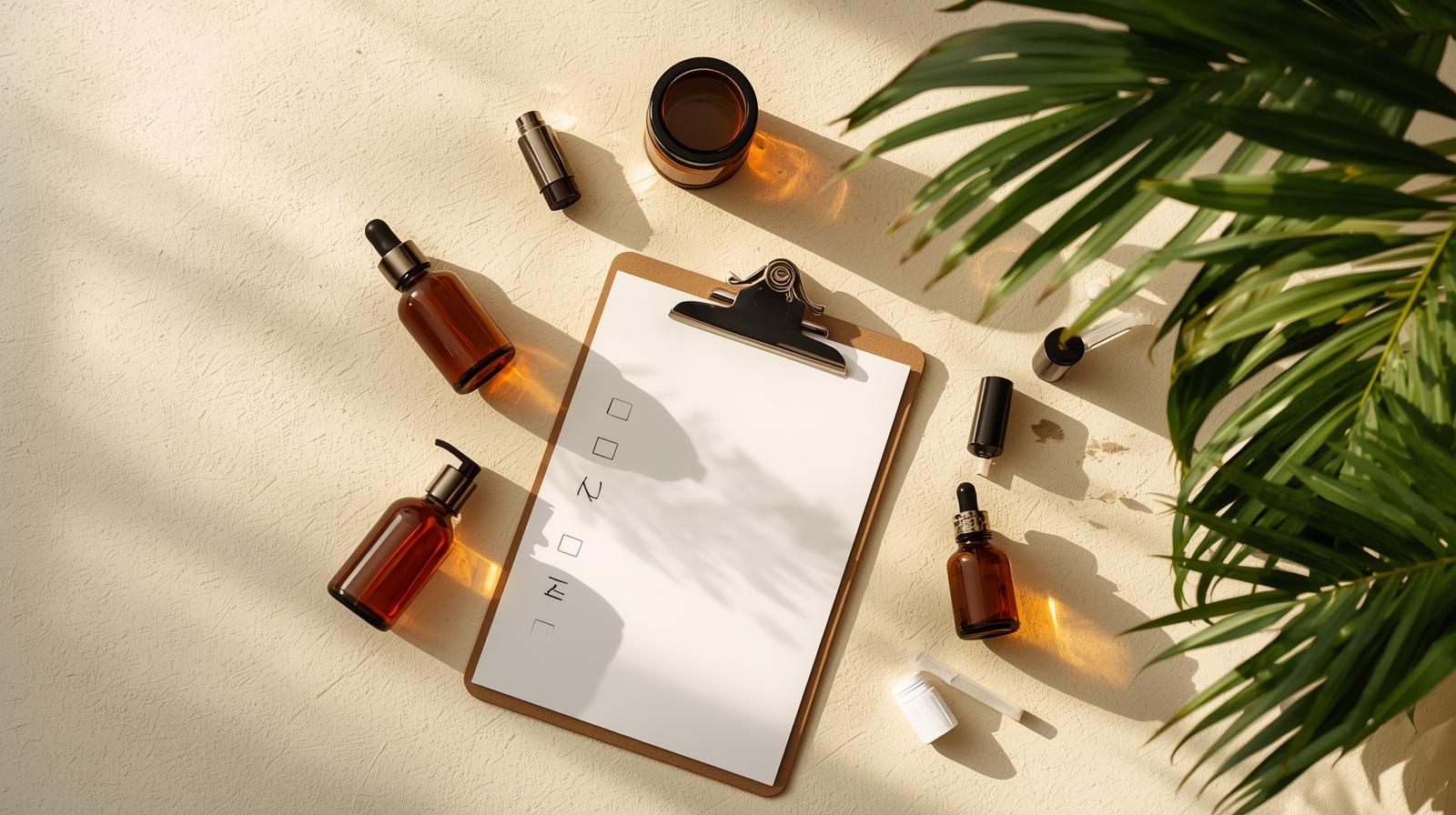
When you manufacture skincare from home, your GMP checklist should include:
- 🧼 Cleaning log – record workspace sanitization
- 🧾 Ingredient supplier tracking – note every supplier for traceability
- 🧪 Batch production records – track lot numbers, dates, and weights
- 🧰 Equipment sanitation – clean and document tools before each batch
- 🧉 Product testing – perform stability and preservative tests when possible
Keeping these records shows professionalism and protects you if your products are ever reviewed by the FDA.
👉 View FDA guidance on cosmetic GMP here
Create a Dedicated Production Space
A dedicated workspace is essential when you manufacture skincare from home.
It ensures product safety and gives your business credibility.
Set up a clean, organized area that:
- Has easy-to-sanitize surfaces
- Is separate from your kitchen and everyday use
- Provides controlled temperature and airflow
Even if your setup is small, consistency and cleanliness make it professional.
Proper Storage = Safer Products
Storage is one of the easiest ways to improve your product’s shelf life and safety.
Follow these steps:
- Keep oils in dark glass containers
- Store ingredients away from heat and sunlight
- Label each item with purchase and open dates
- Dispose of anything that smells rancid or looks off
Your storage habits reflect the care you put into your formulations—and your customers will notice.
Setting Up Your Business from Home
To legally manufacture skincare from home, you also need to handle the business side properly.
Start with these basics:
- Register your business (LLC or DBA)
- Get liability insurance
- Check local zoning laws for home-based businesses
- Obtain any required permits or licenses
These steps protect you from legal risks and build trust with suppliers and customers alike.
Final Thoughts: Professionalism Starts with You
Building your own skincare line from home isn’t about cutting corners—it’s about elevating your craft with knowledge, organization, and care.
✨ Here’s your success formula
- Stay compliant with labeling and marketing rules
- Keep your GMP checklist active
- Document every batch
- Always lead with integrity
When you manufacture skincare from home responsibly, you’re not just creating products—you’re building a professional brand that lasts.
Join the StudioLab Email Community
Get insider access to free formulation tools, compliance checklists, and business templates—plus early access to upcoming StudioLab workbooks.
➡️ Join here
This kit teaches the fundamentals behind barrier-repair formulations.